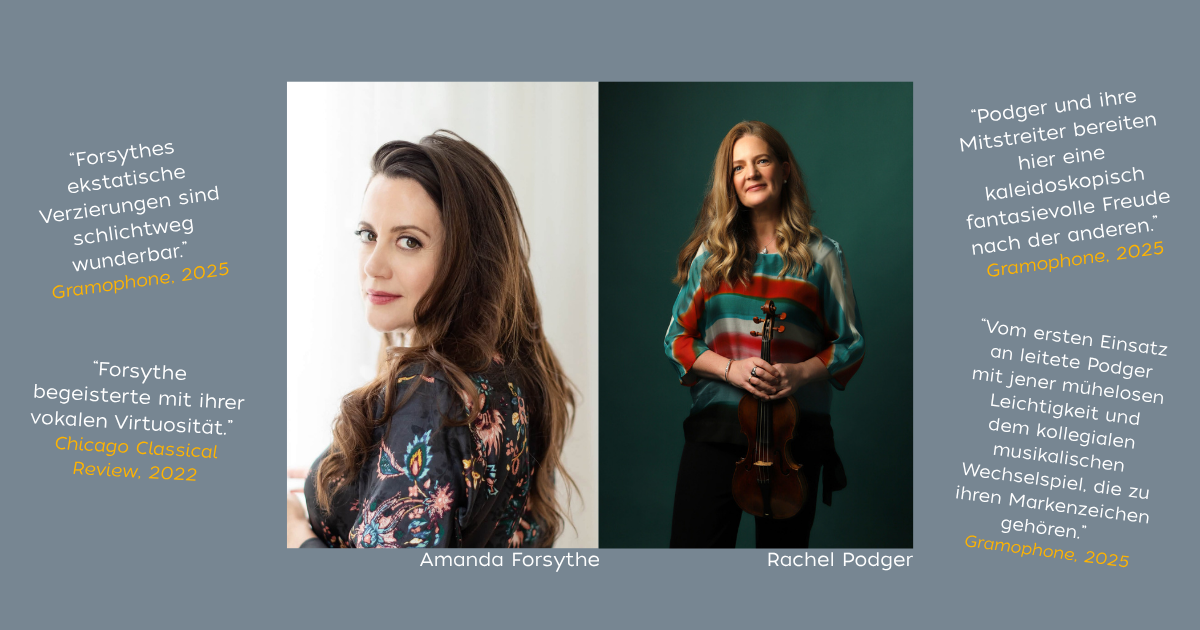
The Münchener Kammerorchester (MKO) and Nicolas Altstaedt have shared a close artistic relationship for many years, with the cellist regularly invited both as a soloist and as a conductor. At this year’s season opening in Perugia, Nicolas Altstaedt will once again take on both roles: first as soloist in Schumann’s 1850 Cello Concerto, and after the interval as conductor of Beethoven’s Second Symphony.
20 October 2026, Basilica di S. Pietro, Perugia SEASON OPENING PERGUGIA MUSICA Münchener Kammerorchester / Nicolas Altstaedt, cello & musical direction R. Schumann: Cello concerto in A minor op.129 / L. v. Beethoven: Symphony no. 2 in D major op.36
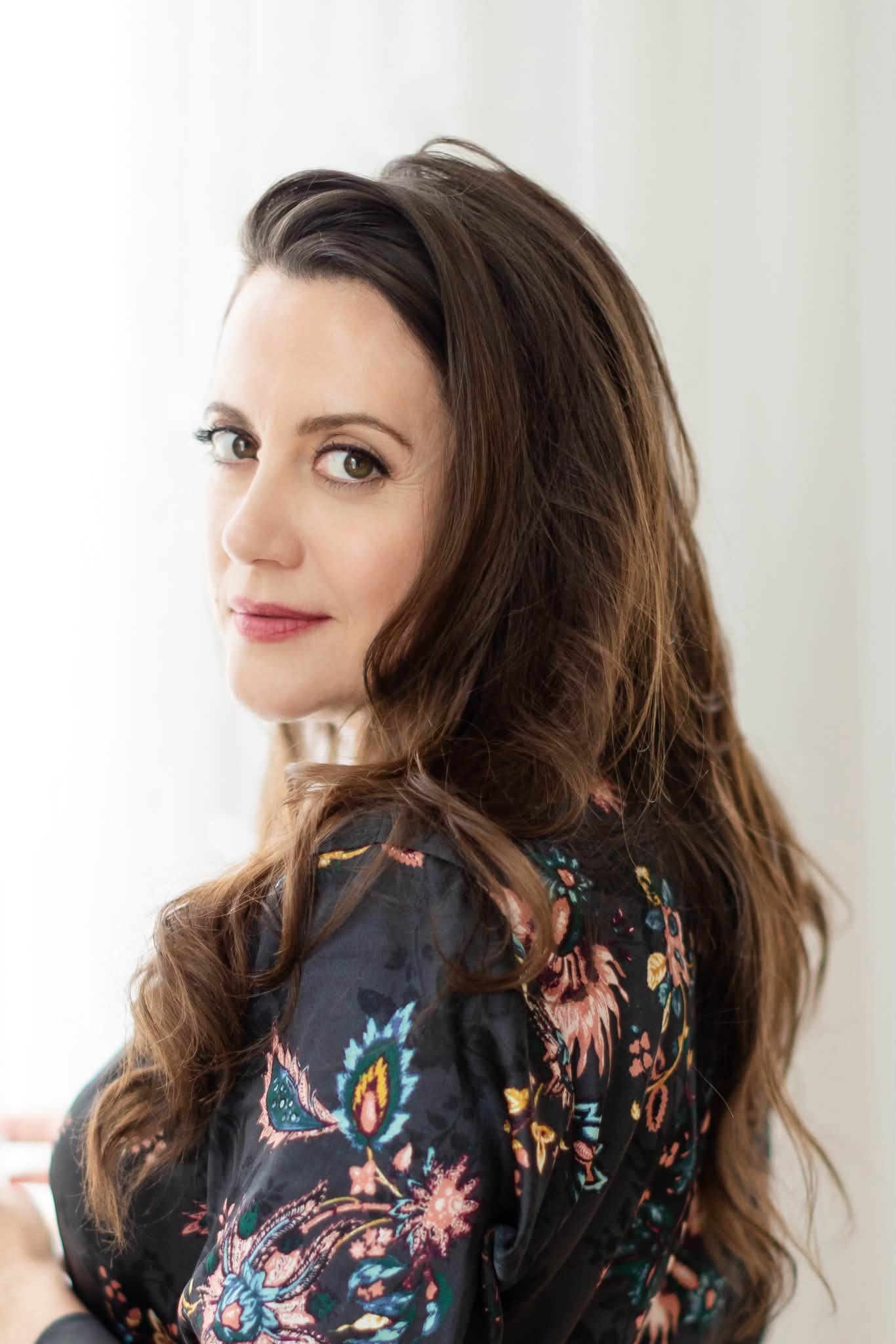
With Mozart y Mambo, horn player Sarah Willis has created one of the most successful classical music projects of recent years. It led to the formation of The Sarahbanda, born from Sarah Willis’s idea of bringing the classical horn into a Cuban band. The ensemble’s first recording, Sarahbanda (2024), was already a great success; the album Cuban Christmas, released a year later, took things to another level and has since been establishing itself as a new Christmas classic. For Cuban Christmas, Sarah Willis will receive an OPUS KLASSIK award in October as Instrumentalist of the Year and, will perform with the ensemble during the OPUS KLASSIK weekend in Berlin.
10 October, Fotografiska Berlin / 11 October 2026, Konzerthaus Berlin OPUS KLASSIK WEEKEND The Sarahbanda / Sarah Willis, horn Works by J. S. Bach / E. Olivero (arr.), W. A. Mozart, E. Oliva, J. Peña Campo, G. Bizet / E. Olivero (arr.)
Season starts! After an intense summer of festivals, we are delighted to enter the new season with renewed energy, fresh inspiration, and, of course, even more concerts. Here’s what’s coming up over the next few weeks:
★ NEW: Tafelmusik joins our line-up ★ Music for peace with the B’Rock Orchestra ★ An oratorio marathon with Concerto Copenhagen ★ Masters of polyphony: Phantasm Viol Consort ★ The Vienna debut of Isa Trotta ★ Eurovisions with the Oberon Trios ★ OPUS KLASSIK award for Sarah Willis ★ Haydn mastery by Il Giardino Armonico ★ Mozart mastery by Freiburg Baroque Orchestra ★ Experience Brahms with the Chamber Orchestra of Europe ★ Season opening in Perugia with the Münchener Kammerorchester
And, of course, we will also give you a brief preview of our concerts in December 2026 and January 2027.
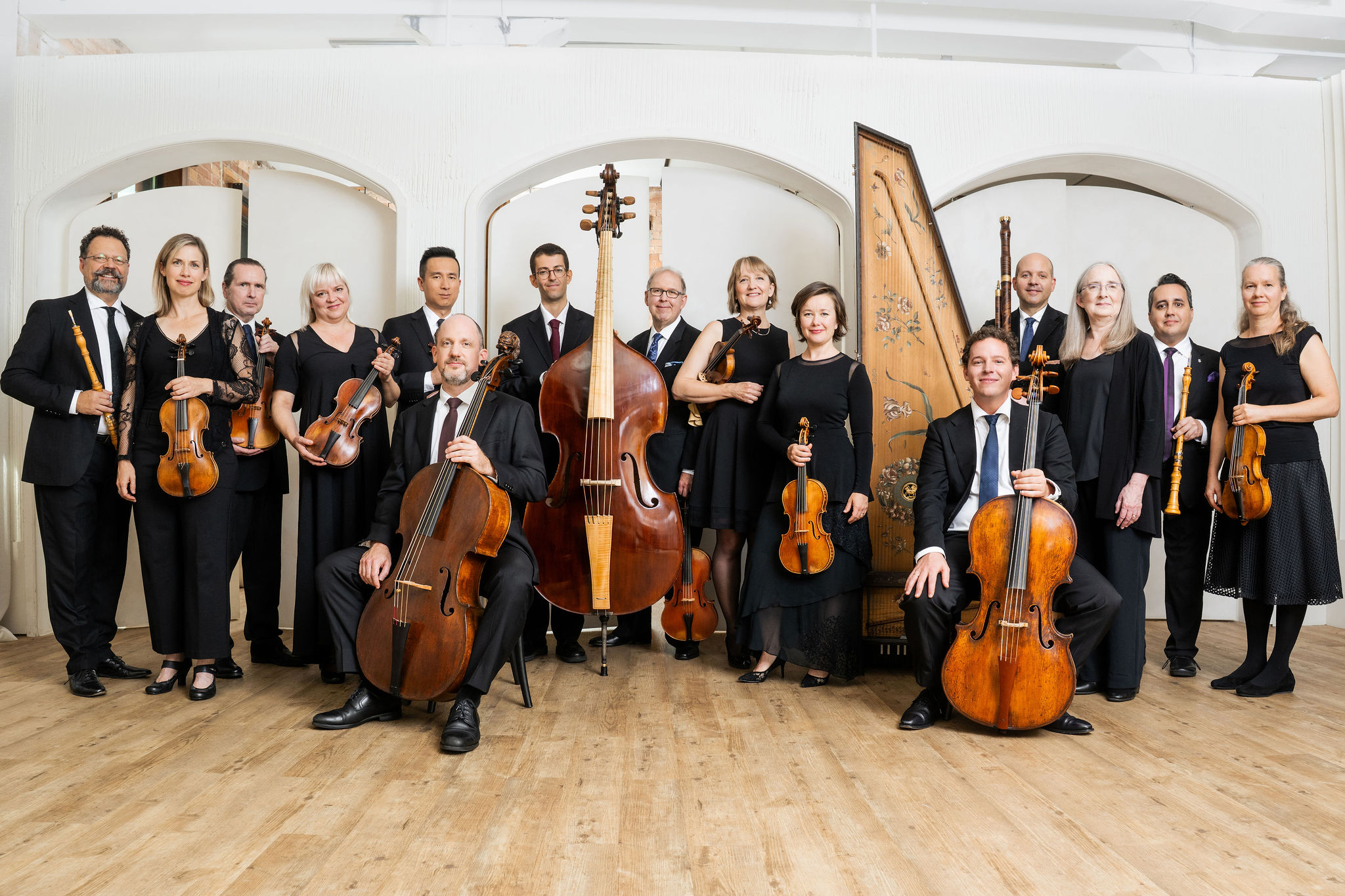
Every now and then a group of musicians comes along and changes the way we think about music. For over four decades, Tafelmusik has been synonymous worldwide with dynamic, engaging, and soulful performances informed by scholarship, passion and artistic excellence.
Performing on instruments and in styles appropriate to the era, Tafelmusik has performed in more than 350 cities in 32 countries. Its extensive discography on the Sony, CBC Records, Analekta and Tafelmedia labels have garnered ten JUNOs and numerous international recording prizes. From a vibrant home season in Toronto, to international tours, award-winning recordings, innovative collaborations, and inspiring education programs, Tafelmusik is a musical powerhouse with a reputation for thrilling and delighting audiences.
From a vibrant home season in Toronto, Canada, to international tours, award-winning recordings, innovative collaborations, and inspiring education programs, Tafelmusik is a musical powerhouse with a reputation for thrilling and delighting audiences.
Artistic direction is shared by orchestra members Brandon Chui, Dominic Teresi, and Cristina Zacharias.
“There’s determined beauty to their sweetly rich, gently vibrating sound … precision and poetry comes wonderfully together.”
Gramophone
“Tafelmusik Baroque Orchestra is a testament to what hard work and dedication to art and scholarship can do over time. This is a world-class period instrument ensemble … the playing is superb.”
Toronto Concert Reviews
“The kind of committed, passionate musicmaking that guarantees a concert that people remember for a long time, regardless of genre.”
Toronto Star
PROJECT 2028/29
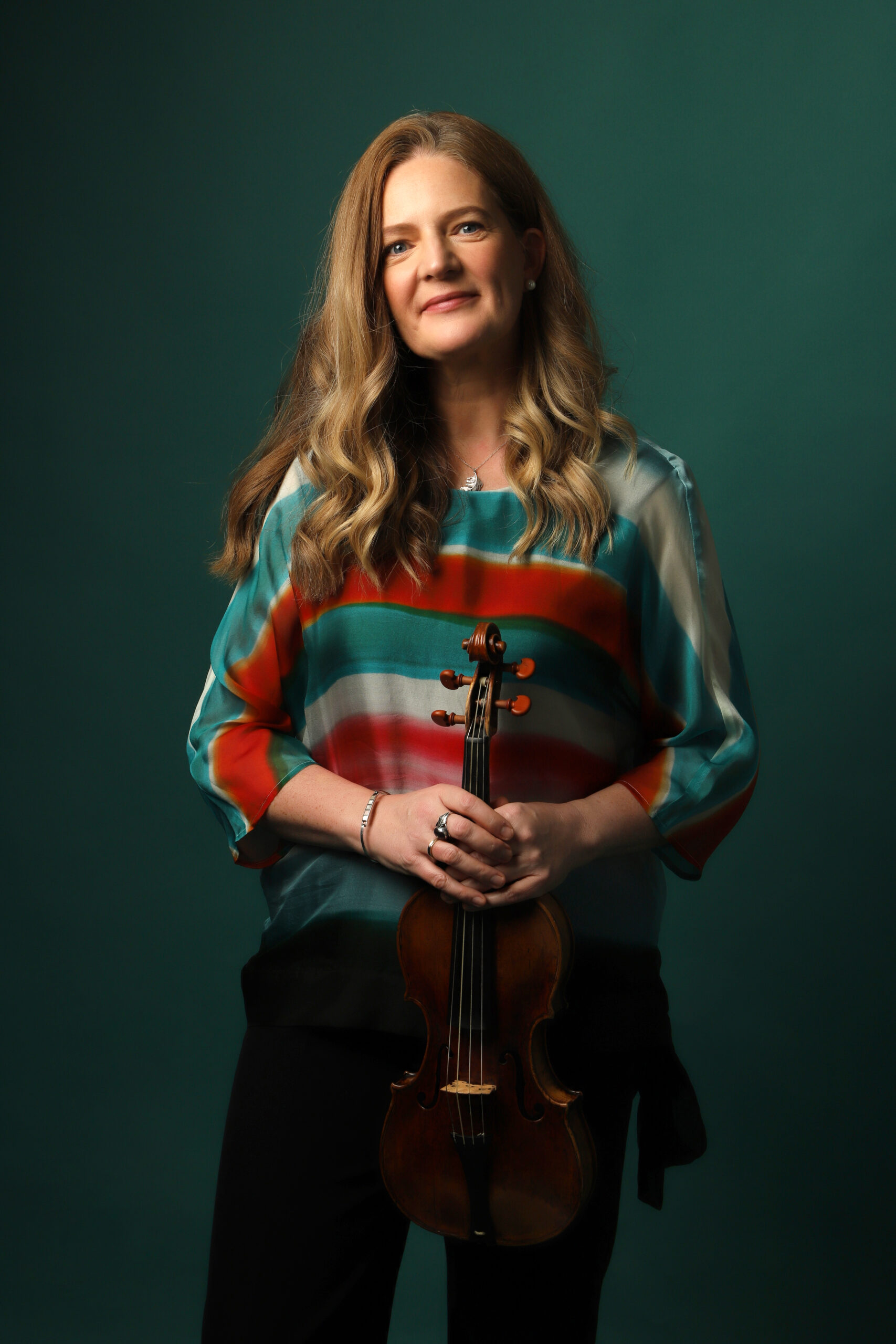
27 February – 11 March 2029 A TELEMANN TRIBUTE – A 50thAnniversary Celebration Tafelmusik Baroque Orchestra / Amanda Forsythe, soprano / Rachel Podger, violin & musical leader
Celebrating its 50th Anniversary Season, Tafelmusik Baroque Orchestra shares an illuminating tribute to its exceptionally gifted, creative, and impactful namesake composer, Georg Philipp Telemann. Telemann’s own experience as a multi-instrumentalist influenced his bold and convincing experiments with orchestral colours. Tafelmusik’s program offers the opportunity to hear rarely heard works that show the range of his brilliance.
The best way to explore new musical territory is with old friends. Richard Wagner’s Siegfried Idyll marks new repertoire for the Freiburg Baroque Orchestra (FBO), which, under the musical direction of Sir Simon Rattle, approaches this masterpiece through the lens of historically informed performance. The rest of the programme is devoted to two cornerstones of the nineteenth-century repertoire as well: Beethoven’s Violin Concerto in D major and Schumann’s Symphony No. 2. Long-standing artistic partner Isabelle Faust joins the orchestra as soloist.
With the same ensemble, but this time performing an all-Schumann programme, the tour continues to some of Europe’s most prestigious summer festivals, including the BBC Proms in London and the closing concert of the Ravello Festival.
31 August 2026, Friedrichsforum Bayreuth / 4 September 2026, Musikfest Bremen / 5 September 2026, Ravello Festival / 7 September 2026, London Proms SCHUMANN! Freiburg Baroque Orchestra / Isabelle Faust, violin / Sir Simon Rattle, conductor L. v. Beethoven: Violin Concerto in D major, Op. 61 / R. Wagner: Siegfried Idyll, WWV 103 / R. Schumann: Symphony No. 2 in C major, Op. 61 (31 August) R. Schumann: Ouverture Genoveva op. 81 / Violin concerto in d minor WoO 1 / Symphony no. 2 in C major op. 61 (4, 5, 7 September)
As director of the Forum Zukunft Kultur of the Stiftung Zukunft Berlin, Andreas Richter, together with Christophe Knoch, a member of the Foundation’s Board, will moderate the next Cultural Policy Salon in Berlin.
Berlin’s cultural policy is currently facing considerable challenges. Budget cuts, changing social expectations, increasingly scarce spaces for artistic production, and growing international competition among Europe’s cultural capitals are presenting new challenges for policymakers and cultural institutions alike.
What are the challenges facing Berlin today? What role should culture play in the city’s future? And which cultural policy decisions appear particularly important from today’s perspective?
It is worth looking back, because Berlin’s cultural policy has had to repeatedly redefine its direction over the past four decades, and many of the issues being debated today have clear historical precedents.
Against this backdrop, several personalities who have helped shape these developments over many years and from a range of political positions have been invited to the panel. Among them are Volker Hassemer, Thomas Flierl and Klaus Lederer, three former Berlin Senators for Culture.
11 September 2026, 7:00 p.m., Chamber Music Hall, Philharmonie Berlin CULTURAL POLICY SALON — What Kind of Cultural Policy Does Berlin Need? Volker Hassemer, Senator for Culture and Senator for Urban Development / Thomas Flierl, Senator for Science, Research and Culture / André Schmitz, State Secretary for Cultural Affairs / Sabine Bangert, Chair of the Committee on Cultural Affairs / Klaus Lederer, Senator for Culture and Europe
Between the close of one season and the start of the next, our orchestras and ensembles will once again spend the summer performing at some of the world’s most beautiful festivals. Our journey takes us to Lucerne and Bremen, Ravello and Schleswig-Holstein, Rheinsberg and Molyvos. As always, we look forward to sharing memorable concerts with outstanding artists and renowned orchestras and ensembles, including…
Isabelle Faust, Sir Simon Rattle & Freiburg Baroque Orchestra
the Orchestra of the Eighteenth Century
Julia Lezhneva, Giovanni Antonini & Il Giardino Armonico
Sarah Willis, The Sarahbanda & Havana Lyceum Orchestra
the Phantasm Viol Consort
the legendary Kronos Quartet
the pianist Isa Trotta
We also extend our congratulations to the Molyvos International Music Festival on its anniversary and, of course, offer you a brief preview of our autumn concert season.
In 2023, the long-term project The Wagner Cycles was launched. Under the overall artistic direction of Kent Nagano and Jan Vogler, Der Ring des Nibelungen has been re-examined since 2023 in the context of its historical origins and on the basis of current research into Richard Wagner and historical performance practice. With Kent Nagano on the podium, Concerto Köln, the Dresdner Festspielorchester and renowned soloists presented excerpts from the fourth and final part of the cycle on the breathtaking stage of Villa Rufolo on the Amalfi Coast.
31 July 2026, Ravello Festival GÖTTERDÄMMERUNG Young Woo Kim, Siegfried / Johannes Kammler, Gunther / Patrick Zielke, Hagen / Åsa Jäger, Brünnhilde / Ania Vegry, Gutrune / Jasmin Etminan, Waltraute & Erste Norn / Marie-Luise Dreßen, Zweite Norn / Ania Vegry, Dritte Norn / Dresdner Festspielchor der Richard-Wagner-Akademie / Concerto Köln / Dresdner Festspielorchester / Kent Nagano, conductor R. Wagner: Prelude and Act I of Götterdämmerung – Third day of the stage festival Der Ring des Nibelungen (historically informed concert performance)
A project of the Dresden Music Festival under the artistic direction of Kent Nagano and Jan Vogler.
The Freigeist Ensemble from Berlin and soprano Marlis Petersen form a well-established artistic partnership. Under the direction of ensemble founder Joolz Gale, they open this year’s FESTIVO festival with songs ranging from Johannes Brahms to Alban Berg, alongside Symphony No. 6 by Anton Bruckner. The reduced orchestral forces reveal the richly coloured works of the late 19th and early 20th centuries in a particularly delicate and refined way, bringing out details that are often lost in the full orchestral sound. “An ideal case of intimacy.” (Tagesspiegel Berlin, 2021)
24 July 2026, Festivo, Aschau SONGS & SYMPHONY – BRUCKNER, STRAUSS & MORE Freigeist Ensemble / Marlis Petersen, soprano / Joolz Gale, conductor Works by R. Strauss, A. Berg, R. Wagner, J. Brahms & A. Bruckner